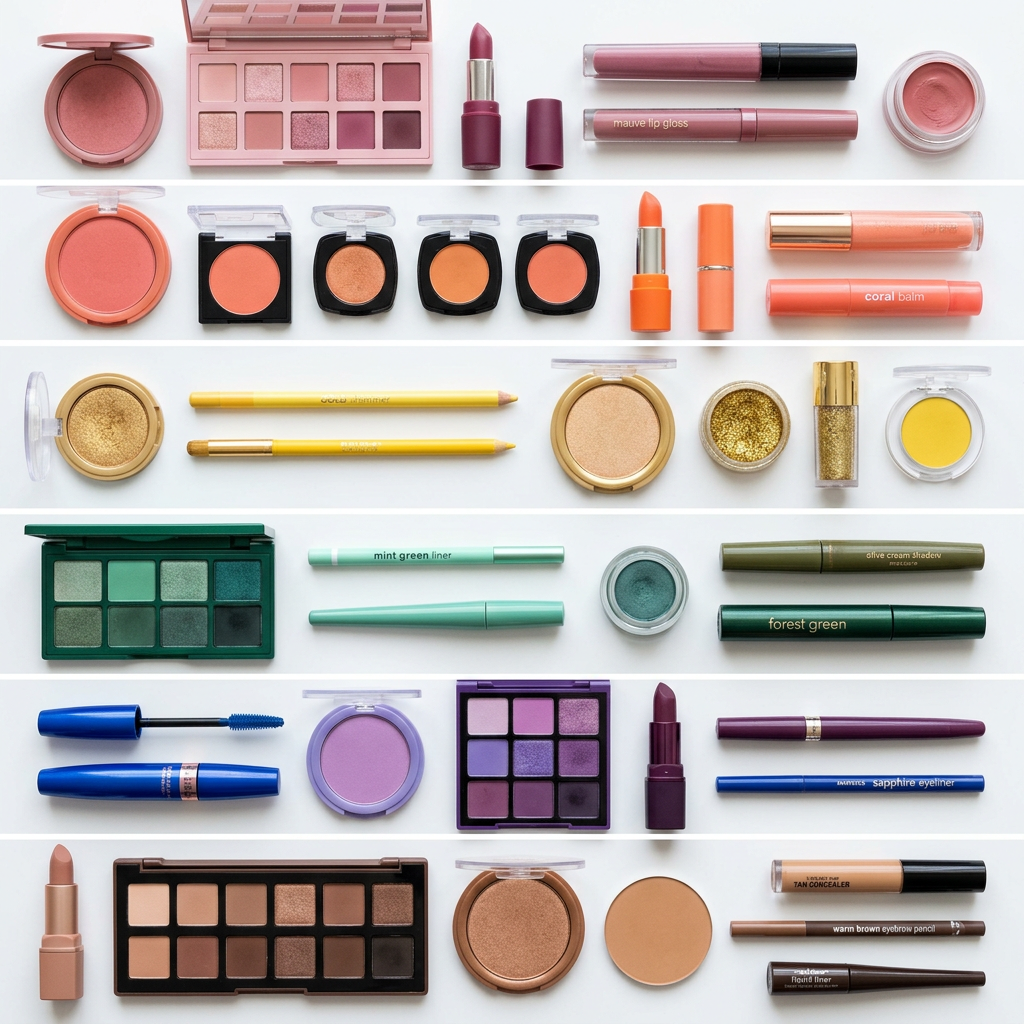
Have you ever wondered why Sephora seems to know exactly which products you’re interested in? Whether you’re shopping for skincare, makeup, or fragrance, the products and promotions often feel personalized. This isn’t by accident. Sephora uses market segmentation to understand different groups of customers and create marketing strategies that meet their needs. By using tools like Google Analytics and social media analytics, Sephora gathers valuable information that helps the company make informed marketing decisions and strengthen customer relationships.
Market segmentation is the process of dividing a broad market into smaller groups based on shared characteristics, such as age, lifestyle, interests, location, or buying behavior. Instead of trying to market to everyone the same way, companies can create personalized experiences that better connect with each customer segment. For a retailer like Sephora, understanding its customers is essential because the beauty industry is highly competitive and consumer preferences change quickly.
One important tool that helps Sephora define its target market is Google Analytics 4 (GA4). Google Analytics collects information about how customers interact with Sephora’s website. It tracks which products shoppers view, how much time they spend on different pages, what devices they use, and whether they complete a purchase. This information allows Sephora to identify shopping patterns and understand what customers are most interested in. For example, if many visitors search for clean skincare products but leave without purchasing, Sephora can adjust its marketing strategy by improving product recommendations, offering promotions, or creating educational content about those products (Google, n.d.).
Another valuable tool is social media analytics. Sephora has millions of followers across platforms like Instagram, TikTok, and YouTube. These platforms provide insights into customer demographics, engagement, trending products, and popular beauty topics. By analyzing likes, comments, shares, and video views, Sephora can identify emerging trends and understand what different customer groups are looking for. This information helps the company choose influencer partnerships, develop advertising campaigns, and introduce products that align with customer interests. Social media analytics also allow Sephora to respond quickly to changing beauty trends, which is especially important in today’s fast-moving digital marketplace.
The information gathered from these tools plays a significant role in developing Sephora’s marketing plan. Website analytics provide data about customer behavior, while social media analytics reveal customer interests and preferences. Together, these insights help Sephora determine which customer segments should receive specific promotions, product recommendations, and advertising messages. Instead of using a one-size-fits-all approach, Sephora can deliver more relevant experiences that increase customer satisfaction and encourage repeat purchases.
One of the best examples of Sephora’s market segmentation strategy is its Beauty Insider loyalty program. The program collects customer purchase history and preferences, allowing Sephora to personalize rewards, recommend products, and send targeted promotions based on individual shopping habits. This personalized approach strengthens customer loyalty while increasing sales because customers feel that the brand understands their unique beauty needs.
Overall, market segmentation is one of the reasons Sephora remains a leader in the beauty industry. By using Google Analytics and social media analytics, the company gains valuable insights into customer behavior and preferences. These tools allow Sephora to create personalized marketing strategies that improve the customer experience, build stronger relationships, and support long-term business success. As consumer preferences continue to evolve, using data-driven market segmentation will remain an essential part of Sephora’s marketing strategy.
References
Google. (n.d.). Google Analytics. https://analytics.google.com/
Kotler, P., & Keller, K. L. (2022). Marketing management (16th ed.). Pearson.
Sephora. (n.d.). Beauty Insider. https://www.sephora.com/beauty/beauty-insider


Leave a Reply